
For a lot of bass players, the recording process starts with a cable running straight from the instrument into an audio interface.
It’s quick, it’s clean, and it gives you maximum flexibility at the mixing stage. However, a raw DI bass signal can sound a little flat and lifeless on its own, lacking the tonal weight and character you’d normally get from playing through a real amp and cabinet.
That’s where bass amp plugins come in. In many ways, they work just like the physical amplifiers and speaker cabinets you’ll already be familiar with, but they run as software inside your DAW. Some are faithful recreations of specific classic hardware, modelled right down to the component level. Others take a broader approach, packing multiple amp types, cabinet simulations and effects into one plugin.
You’ll hear them called amp sims, amp modellers or just plugins, but on a basic level they all do the same thing: take your clean DI bass signal, process it through a virtual amplifier and cabinet, and output something with more life, warmth and presence. Most include impulse response-based cab simulation, and many come with built-in effects like EQ, compression and overdrive.
Typically, you’ll also find banks of presets: ready-made tones that can be loaded up and used straight away, or used as starting points for your own tweaking. The options below cover everything from vintage Ampeg recreations to modern metal preamps and creative parallel processing tools. Here are 13 of the best.
1. Brainworx Ampeg B-15N
- Compatibility: Windows/macOS
- Format: VST, VST3, AU, AAX
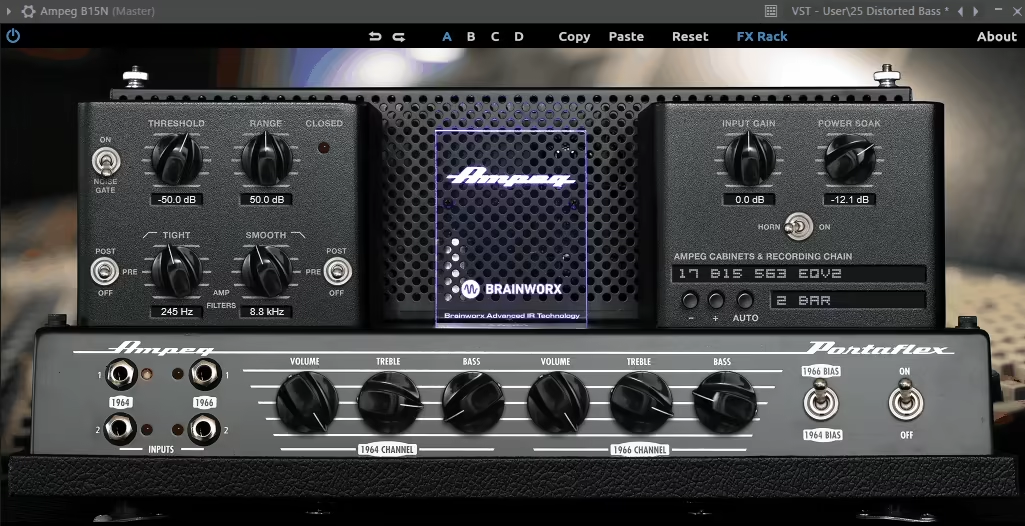
In terms of sheer studio pedigree, very few bass amps can match the B-15N. This unassuming 30-watt combo was the amp behind James Jamerson’s Motown sessions, Donald “Duck” Dunn’s Stax recordings, and an enormous number of classic funk, soul and rock tracks from the 1960s and 70s. It more or less defined what a warm, round recorded bass sounds like.
Brainworx’s plugin version is modelled on the limited-edition Heritage B-15N reissue, of which only 250 were ever made. There are two preamp circuits on offer: the 1964 (25 watts, cathode-biased, softer feel) and the 1966 (30 watts, fixed bias, more headroom and midrange). The Baxandall EQ is simple but musical, and the amp transitions beautifully from pillowy cleans to a rich harmonic growl as you bring the volume up.
Instead of adjustable mic placement, you get 42 pre-configured recording chains captured through a Neve VXS72 console with four cabinet types, multiple mics and outboard gear. It’s less tweakable than some plugins, but the workflow is fast and the results are consistently usable. An FX Rack adds noise gate, filters, Power Soak and input gain.
Modern metal isn’t on the menu here. For vintage studio warmth, though, it’s hard to beat.
2. IK Multimedia AmpliTube SVX 2
- Compatibility: Windows/macOS
- Format: VST, VST3, AU, AAX, Standalone
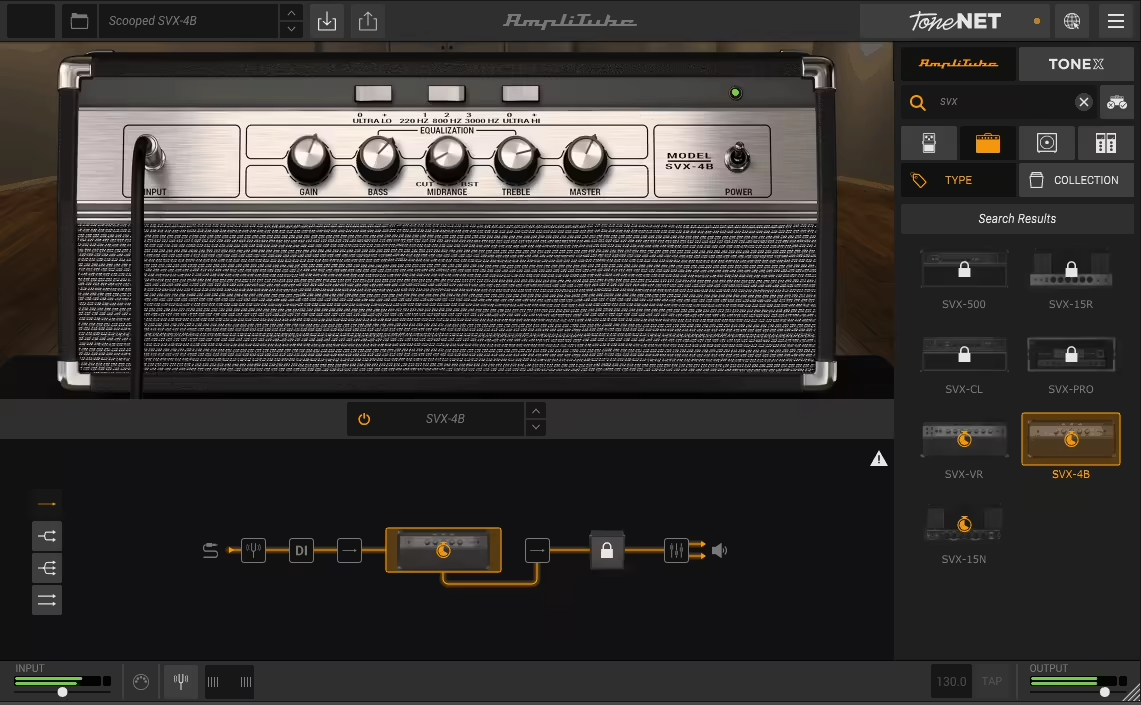
IK Multimedia’s collaboration with Ampeg stretches back further than most plugin developers have been around, and SVX 2 is the latest product of that partnership. Three amp models and matched cabinets are included, all built with IK’s Dynamic Interaction Modeling technology, which reproduces how real amp circuits behave internally.
The lineup covers a useful spread of Ampeg ground. The SVX-VR handles the big SVT stage sound. The SVX-4B does tube-driven grit via the V-4B. And the SVX-15N brings Heritage B-15N studio warmth. Because everything lives inside AmpliTube 5, you can freely combine these with amps, cabs and effects from IK’s wider catalogue. The cab section uses Volumetric Impulse Response technology for detailed, realistic mic positioning.
There’s a lot packed into the broader AmpliTube platform, too: a signal chain supporting up to 57 simultaneous models, an 8-track recorder, a looper, and bass-specific stompboxes. You’ll need AmpliTube 5 as a host, though the free Custom Shop version works fine. If you’re after a range of Ampeg tones with room to expand over time, there’s plenty to get your teeth into here.
3. Ampeg SVT-VR by Brainworx
- Compatibility: Windows/macOS (native Apple Silicon)
- Format: VST, VST3, AU, AAX
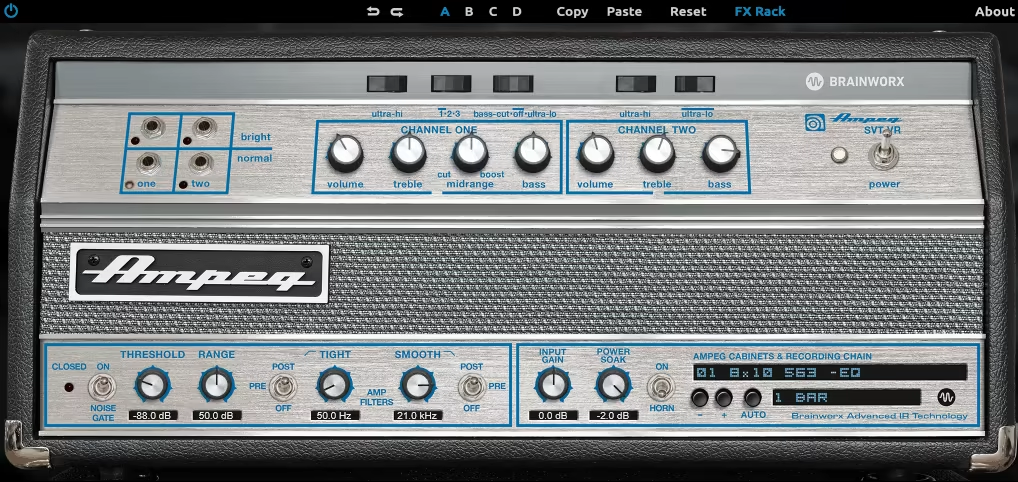
The SVT barely needs an introduction. Since 1969, this 300-watt all-tube monster and its towering 8×10 cabinet have been the rig of choice for bass players who need sheer power and presence. The list of players who’ve used one runs from Bootsy Collins to Krist Novoselic and back again. Brainworx’s SVT-VR plugin, fully endorsed by Ampeg, captures that sound in software.
Controls mirror the real hardware closely. Two channels, four inputs. Channel One gets a three-band EQ with selectable midrange frequency (220Hz, 800Hz or 3kHz) and a Bass Cut switch. Channel Two keeps it simple with two-band EQ. Both have Ultra Hi and Lo switches. Push the gain and you’ll find that unmistakable SVT growl: thick midrange, big low end, and a presence that fills a mix without swallowing it.
23 recording chains via the Neve console are included, along with a handy Auto Mode that cycles through them hands-free during playback. When you need a bass tone that simply commands attention, this is one of the first places to look.
4. Overloud Mark Studio 2
- Compatibility: Windows/macOS
- Format: VST, VST3, AU, AAX, Standalone
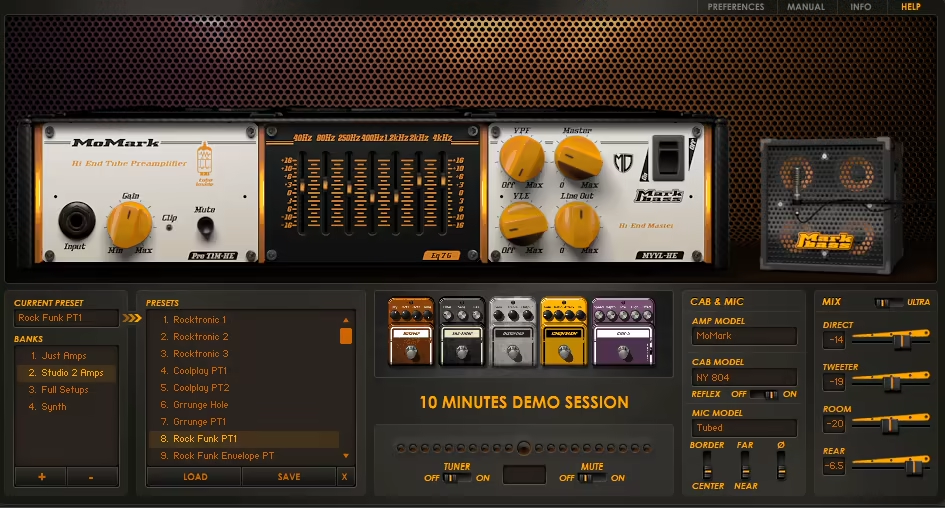
Not every recording calls for overdriven tubes and aggressive midrange. Markbass amplifiers have carved out a niche for clean, articulate, transparent bass tone, and they’re hugely popular among session players and gigging musicians who work across jazz, funk, pop and Latin music. Mark Studio 2 from Overloud brings that character to software.
There are six Markbass heads on offer, ranging from the all-tube Classic 300 to flexible solid-state and hybrid models like the Little Mark Tube and MoMark. Nine cabinets cover everything from 1×12 portables to an 8×10. The standout, though, is the mic section: you can place separate mics on the woofer, tweeter and rear bass reflex port, which gives you a level of cabinet control that most bass plugins simply don’t offer.
The signal path lets you blend direct input, amp line out and mic output at independent levels, which is exactly the kind of routing professional engineers use when tracking bass. An Ultra Bass control adds sub content when needed, and CPU usage stays low. It doesn’t get talked about as much as the big Ampeg plugins, but it deserves to.
5. Nembrini Audio Bass Hammer
- Compatibility: Windows/macOS (Apple Silicon), iOS
- Format: VST, VST3, AU, AAX, AUv3 (iOS)
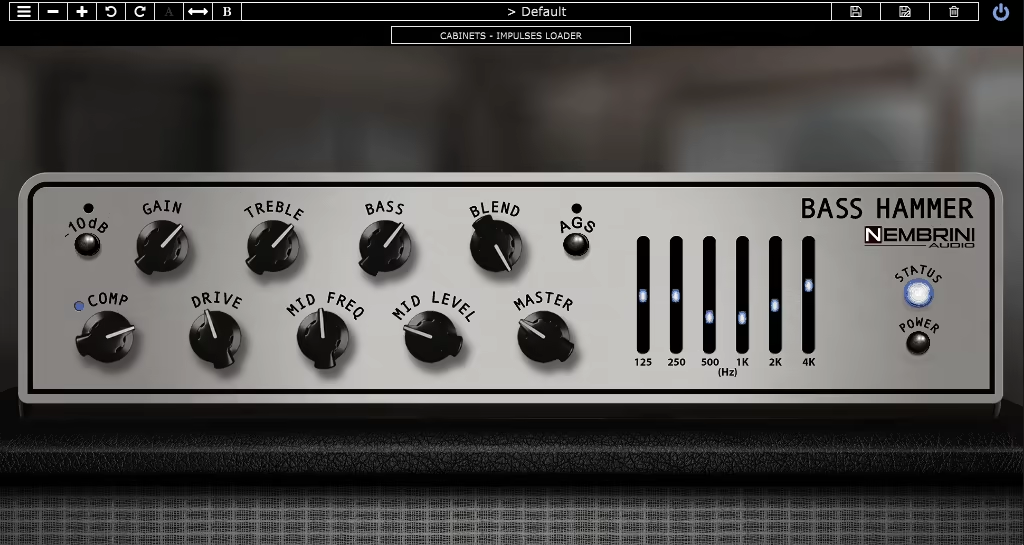
Nembrini Audio has been on a productive run of form lately, and their amp emulations have a habit of delivering more than the price tag suggests. Bass Hammer is modelled on the Aguilar Tone Hammer, a bass preamp and DI that’s become a fixture on professional pedalboards thanks to its organic warmth and detailed midrange.
The biggest selling point is Adaptive Gain Sculpting (AGS), which reshapes the EQ curve and gain structure in a way that interacts dynamically with the Mid control. Engage it and you get a musical, slightly compressed saturation that thickens your tone without muddying it up. There’s a six-band graphic EQ for the bass range and a parametric section with Presence control for the highs.
Output options include four cabs, four mics, a parallel DI with console compressor, ambient reverb, and an IR loader for third-party impulse responses. Available on desktop and iOS, it requires a free iLok account and lists at $137, though sales are frequent. A lot of plugin for the money.
6. Neural DSP Darkglass Ultra
- Compatibility: Windows/macOS (native Apple Silicon)
- Format: VST, VST3, AU, AAX, Standalone
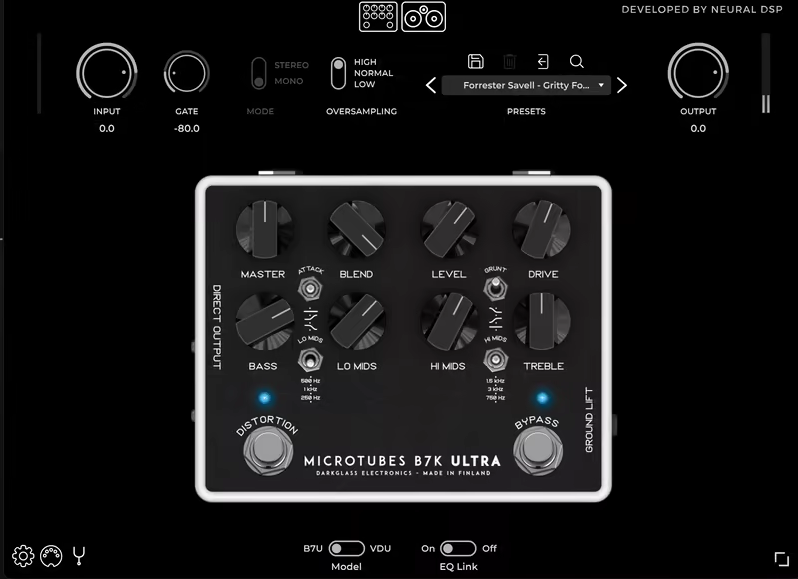
Where most plugins on this list draw on vintage gear, Darkglass Ultra is thoroughly modern. Developed in partnership with Darkglass Electronics, the Finnish brand whose bass preamps have become more or less standard issue in rock and metal, it models two flagship hardware units: the B7K Ultra and the Vintage Ultra.
The B7K is the aggressive one, delivering tight, bright distortion designed to cut through dense guitar mixes. The Vintage is warmer and rounder, with a saturation that suits a wider palette of styles. Both feature the signature Blend control for mixing clean and driven signals, plus Attack and Grunt switches that shape the frequency content going into the distortion stage. Neural DSP’s machine learning approach to modelling gives both a responsive, dynamic feel.
A dual cab engine with IR support handles the speaker sim, and a 14-day free trial is available. If you play in a heavy band and your bass tone needs to compete with distorted guitars, this was built for exactly that.
7. Nembrini Audio Bass Driver
- Compatibility: Windows/macOS (Apple Silicon), iOS
- Format: VST, VST3, AU, AAX, AUv3 (iOS)
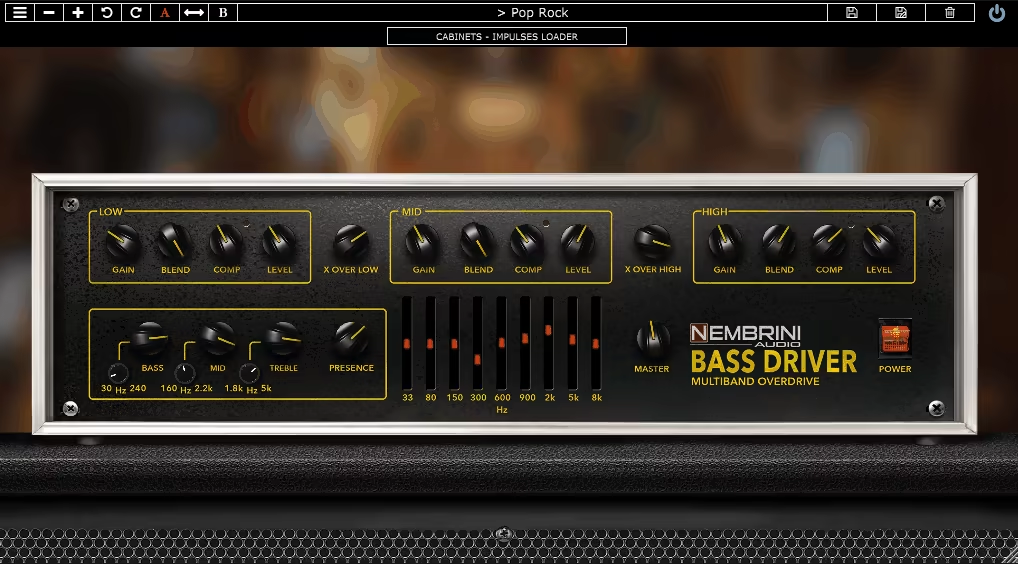
Tech 21’s SansAmp Bass Driver DI is one of those pieces of gear that seems to turn up everywhere. It’s been a staple for over 30 years, prized for its ability to add tube-like warmth to a direct signal. Nembrini Audio’s Bass Driver takes that concept and extends it with multiband overdrive, which changes the game considerably.
The plugin splits your signal into low, mid and high frequency bands using adjustable crossovers. Each band gets independent Gain, Blend, Compression and Level controls. That means you can saturate the mids hard while keeping the lows pristine, or apply subtle grit across the full range. It’s a much more surgical approach to bass overdrive than a single-band drive pedal can offer.
A parametric EQ, Presence control, and nine-band graphic EQ provide further tone shaping. The cab section matches the Bass Hammer setup: four cabs, four mics, parallel DI, console compressor and IR loader. A Bass Enhancer circuit inspired by the Little Labs Voice of God adds low-end weight for drop-tuned and five-string players. Think of it as the SansAmp sound with the flexibility turned way up.
8. Audified GK Amplification 3 PRO
- Compatibility: Windows/macOS (native Apple Silicon)
- Format: VST3, AU, AAX, Standalone
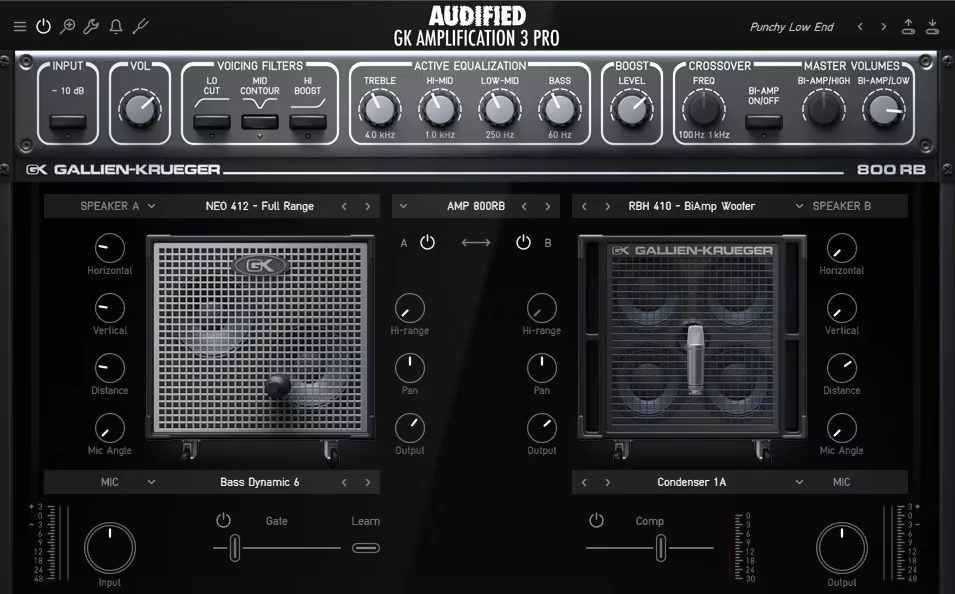
Gallien-Krueger amps have a sonic character all their own. Clean and punchy with a tight low end and articulate highs, they’ve been a mainstay of professional bass rigs since the early 1980s, particularly in funk, jazz and progressive music. Audified’s GK Amplification 3 PRO is the only plugin dedicated to recreating that sound.
Three amps are included. The MB150 handles jazz and acoustic styles. The legendary 800RB from 1982 features GK’s signature Bi-amp technology, routing highs and lows to separate speakers. The flagship adds two channels, four-band active EQ and Voicing controls for the classic scooped GK character. Each amp is paired with three matching cabs and nine virtual mics with full position and angle control.
Version 3 brought a Smart Gate with automatic threshold learning, a compressor, tuner and IR loader. It’s a well-rounded package, and for GK tone specifically, it’s the only game in town.
9. Brainworx bx_bassdude
- Compatibility: Windows/macOS (native Apple Silicon)
- Format: VST, VST3, AU, AAX
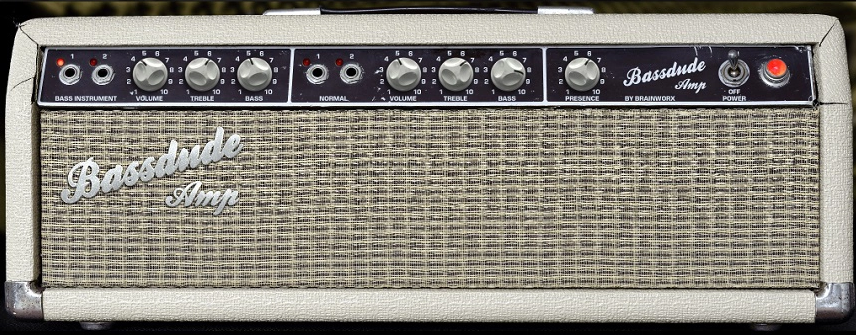
There’s a wonderful irony to the Fender Bassman. Despite being designed as a bass amp (the name couldn’t be much clearer), it became massively influential as a guitar amp, with its circuit inspiring the Marshall JTM45 and shaping the sound of rock guitar for decades. It’s still a really good bass amp, though, and Brainworx’s bx_bassdude captures that nicely.
The model is an early 1960s Blonde Bassman (#6G6-B), the “piggyback” version that many tone chasers consider the finest of the lot. Cleans are warm and sweet up to about 4 on the dial. Push past that and the amp breaks into a smooth, touch-sensitive tube overdrive. Dedicated Bass and Instrument modes let you optimise the voicing, and Bass mode delivers a round, defined tone that sits naturally in a recording.
35 recording chains are included, captured with nine microphones, multiple cabinets and outboard EQ from Millennia, SPL and elysia. Throw in a noise gate, lo-fi delay and Power Soak, and you’ve got a characterful vintage toolkit. It won’t cover modern heavy ground, but it has a charm that’s hard to find elsewhere.
10. Aurora DSP Mammoth
- Compatibility: Windows/macOS, iOS
- Format: VST3, AU, AAX, Standalone, AUv3 (iOS)
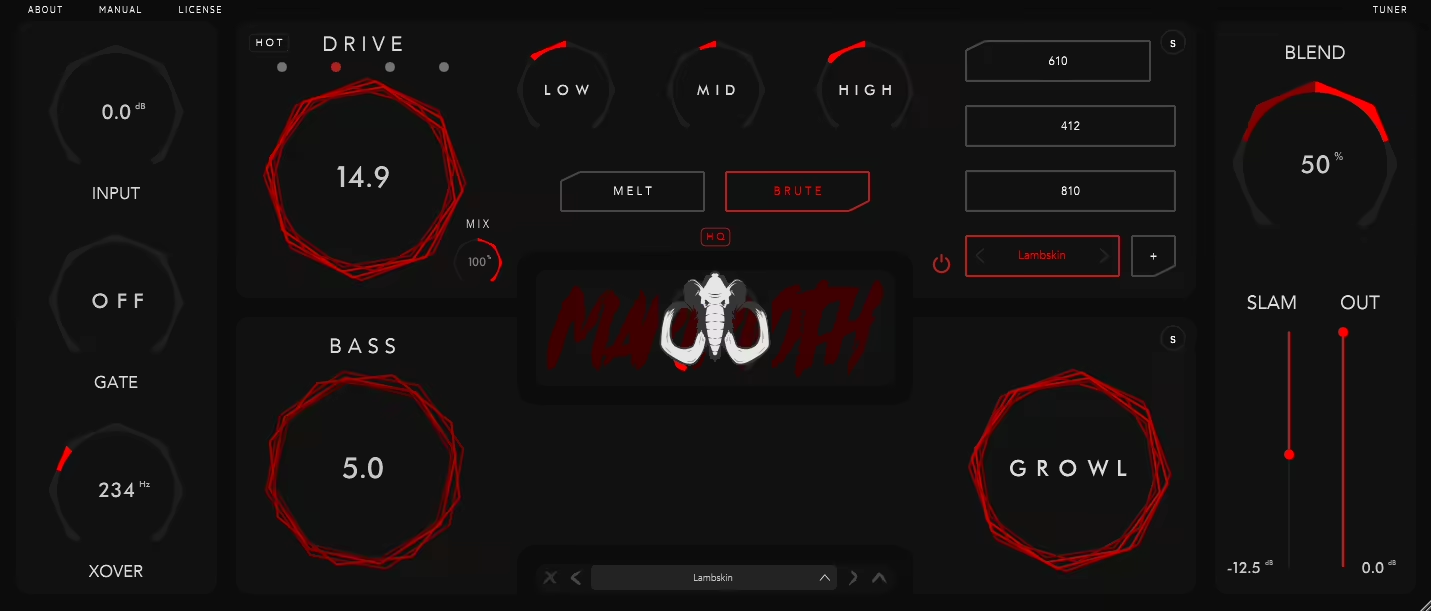
Mammoth takes a fundamentally different approach to most plugins on this list. Rather than modelling a single amp, it’s built around the parallel processing technique that mixing engineers use for heavy bass: split the signal by frequency, process each band independently, and blend.
The upper band offers a drive section with four preamp voicings (classic bass preamp, V4 head, AC30-style, B7K-style), a tone stack and cab sim with IR support. The lower band gets a dedicated maximiser and low-frequency saturator designed to keep the sub content tight and focused. A Blend knob balances the two paths.
A few characterful extras complete the picture. The namesake Mammoth knob adds aggressive clank and transparency, though Aurora DSP warns that “it bites” when pushed hard. A SLAM limiter handles output, Melt and Brute switches provide voicing options, and presets from metal producer Kristian Kohle offer solid starting points. It’s built for heavy music, and it gets you to a mix-ready bass tone with impressive speed.
11. Native Instruments Guitar Rig 7 Pro
- Compatibility: Windows/macOS (native Apple Silicon)
- Format: VST3, AU, AAX, Standalone
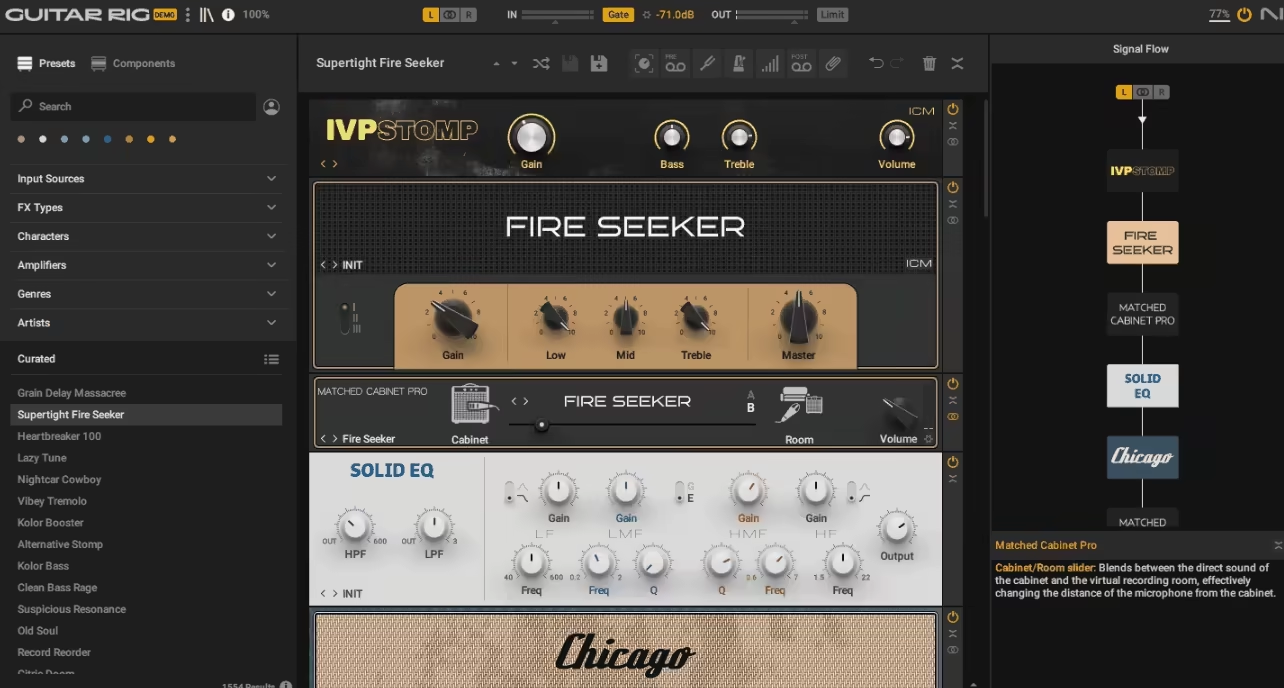
Guitar Rig 7 Pro is a different beast from everything else here. Rather than focusing on one or two amp models, it gives you a full modular environment: 26 amps (guitar and bass), matching cabinets, and a staggering 115 stompboxes, rack effects and utility tools. The emphasis is on variety and flexibility rather than pinpoint emulation of a single piece of gear.
Version 7 added four amps built with Intelligent Circuit Modeling, which uses machine learning to capture hardware behaviour. The key bass model is Bass Rage, a 300-watt all-tube amp. The wider collection also includes the Tweedman, Bass Pro, and a number of guitar amps that handle low-end content well. A Cabinet IR Loader supports third-party impulse responses, with bass-specific factory content from Jens Bogren and Kristian Kohle.
The real draw is the routing. Run amps in parallel, split signals with crossover modules, drop effects in anywhere. Artist presets from Billy Gould and Mike Shinoda are included, and a Loop Machine Pro handles practice and performance needs. It ships as part of NI Komplete and iZotope Music Production Suite, so there’s a good chance you already own it.
12. Waves Voltage Amps
- Compatibility: Windows/macOS (native Apple Silicon)
- Format: VST3, AU, AAX, SoundGrid
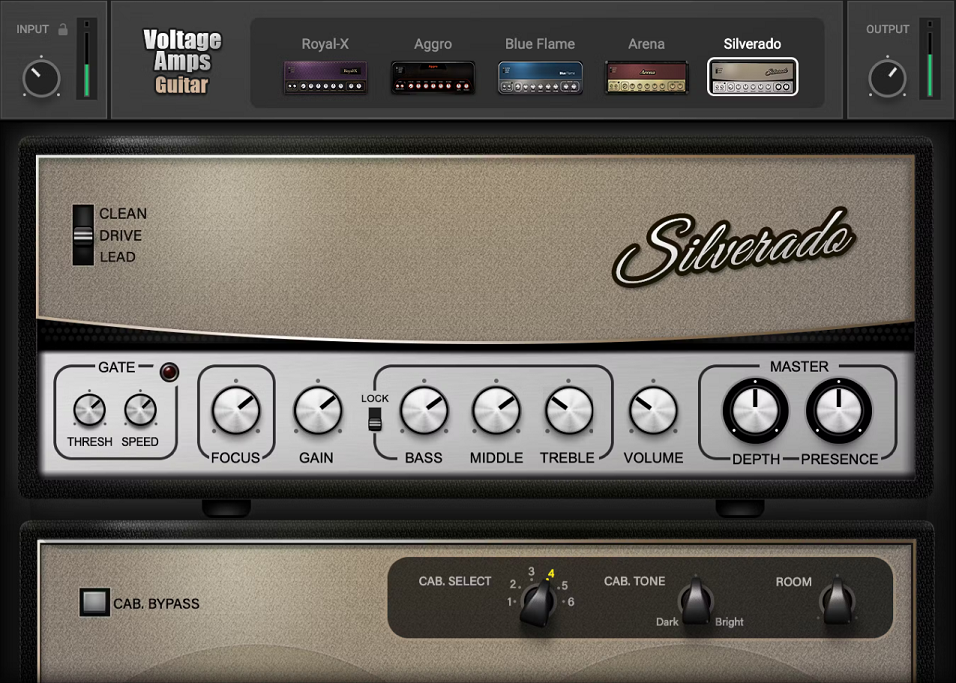
Sometimes the best tool for the job is the simplest one. Waves Voltage Amps isn’t trying to be deep or comprehensive. It’s designed to get you a usable bass tone quickly, without fuss.
Seven amps are included: five for guitar, two for bass. Vintage Velvet delivers smooth, warm old-school tone in the Ampeg mould. Dark Mass is more modern and assertive. Each offers Clean, Overdrive and Lead modes with six IR-based cab setups and a Dark/Bright knob for blending two impulse responses. A stereo Room control adds natural space, which is a welcome touch when monitoring on headphones.
The feature worth highlighting is the Focus control, which adapts each amp’s input response to your specific bass and pickups, whether that’s bright active electronics or thick passive humbuckers. Over 400 artist presets are included, and settings carry over when you switch between amps. It’s not the most feature-rich option on this list, but if you want something reliable and straightforward, it does the job nicely.
Hello, this blog is about more than just chorus, bass and synths. In fact, I started it to cover best VST plugins and Kontakt libraries, so you have easier time finding the right tools and instruments for your music production needs, mixing, as well as mastering. New tools and instruments are constantly evolving and need to get in front of audience, because even some of the best brands like Antelope Audio aren’t talked about enough – that’s what I want to change. I want to promote plugins that are less known but are perfectly relevant for certain topics.