
Perfect digital recordings can feel a bit soulless. When every frequency is captured with clinical accuracy and every transient preserved in pristine detail, music loses something human.
That’s why lo-fi plugins have become essential tools – they bring back the warmth, grit, and happy accidents that vintage recording equipment added, whether through tape compression and flutter, vinyl surface noise, or the crunchy character of bit reduction. These imperfections make digital productions breathe.
What makes a good lo-fi plugin isn’t just random degradation, though. The best ones understand how vintage gear actually behaved – the way tape naturally compressed peaks, how vinyl pressing introduced specific frequency curves, or how early samplers created that iconic gritty texture.
They recreate these characteristics musically rather than just destroying your audio quality. Whether you’re producing lo-fi hip-hop where degradation defines the aesthetic, adding subtle warmth to sterile synths, or creating experimental soundscapes, the right plugin helps your tracks feel authentic rather than overproduced.
The plugins here range from all-in-one vintage processors covering everything from tape to vinyl, through to focused tools that nail one specific retro flavor perfectly. Some work as standalone effects, others come as complete instruments with lo-fi processing already baked in.
1. Arturia Pure LoFi
- Compatibility: Windows, macOS
- Format: VST, VST3, AU, AAX
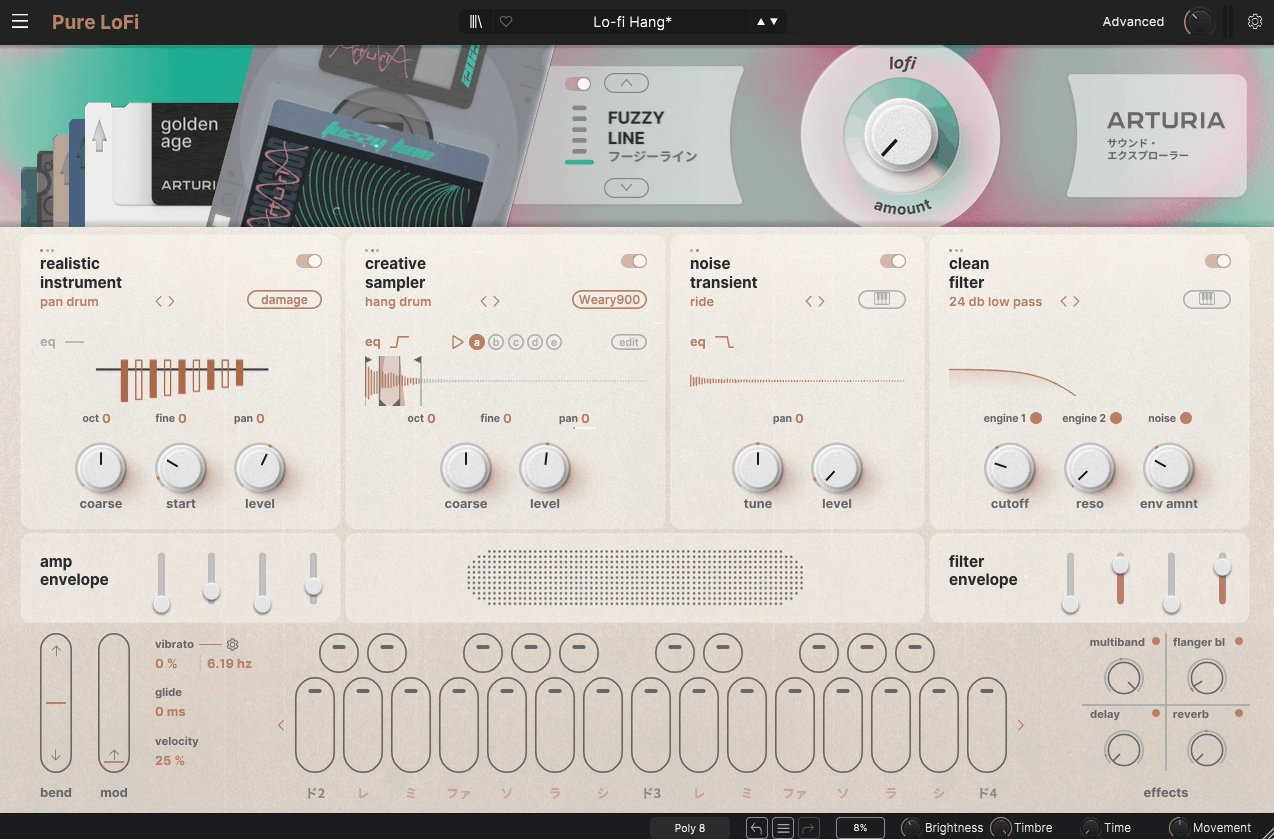
Back in the ’80s and ’90s, samplers couldn’t record with today’s fidelity – limited bit depth and low sample rates meant producers worked around technical constraints. But those limitations created distinctive textures that became iconic in early hip-hop and electronic music. Now we deliberately recreate what was once a technological compromise.
What sets Arturia Pure LoFi plugin apart is how it approaches lo-fi processing like a vintage sampler rather than just generic degradation. The bit crusher doesn’t just reduce resolution – it recreates how classic machines like the E-mu SP-1200 or Akai MPC60 handled audio, complete with their specific aliasing characteristics and frequency responses. You get that gritty, punchy quality that defined ’90s boom-bap production.
The built-in sampler lets you load sounds, process them with vintage degradation, then play them chromatically across your keyboard. This workflow mirrors how producers actually used old samplers, making it perfect for beat production where you want lo-fi character integrated from the start rather than added afterwards. Arturia Pure LoFi includes vintage compressor and filter sections that add additional color beyond just degradation.
The modulation system animates parameters creating evolving textures rather than static processing, while the visual feedback makes it easy to see exactly how each setting affects your sound. The preset library spans everything from subtle vintage coloring through heavily degraded textures suitable for experimental production.
2. Unfiltered Audio LO-FI-AF
- Compatibility: Windows, macOS
- Format: VST, VST3, AU, AAX
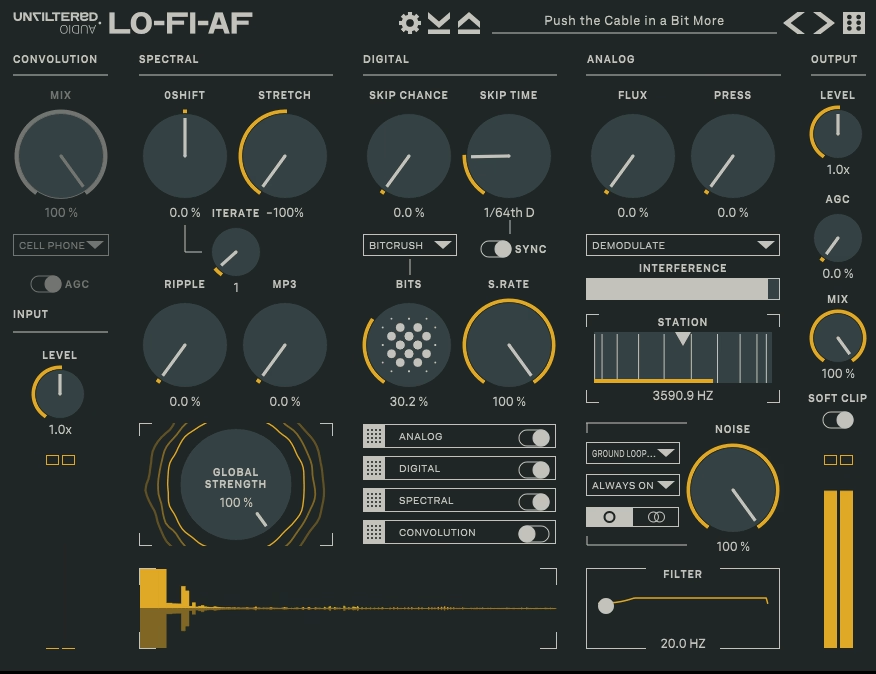
Sometimes subtle isn’t what you’re after – you want lo-fi as a bold creative statement rather than gentle enhancement. LO-FI-AF embraces that philosophy completely, offering aggressive degradation tools designed for producers who use distortion and grit as core elements of their sound.
What makes this powerful is the modular architecture – you arrange effects in any order you want, creating custom processing chains rather than working through fixed signal paths. Maybe you want bit crushing before filtering to emphasize digital artifacts, or saturation after sample rate reduction for smoother degradation. Each configuration produces distinctly different results, and the extensive modulation lets you automate nearly any parameter.
The sequencer adds rhythmic gating and stutter effects synchronized to your project tempo, perfect for creating pulsing lo-fi textures that move with your track’s groove. The randomization system discovers unexpected parameter combinations quickly – valuable when you’re exploring sonic territory without knowing exactly what you’re after. The saturation algorithms range from subtle analog warmth through harsh digital clipping, each coloring your sound differently.
Unfiltered Audio LO-FI-AF particularly excels for electronic music where you want lo-fi processing as an obvious effect shaping your sound dramatically, not just adding background texture that most listeners won’t consciously notice.
3. XLN Audio RC-20 Retro Color
- Compatibility: Windows, macOS
- Format: VST, VST3, AU, AAX
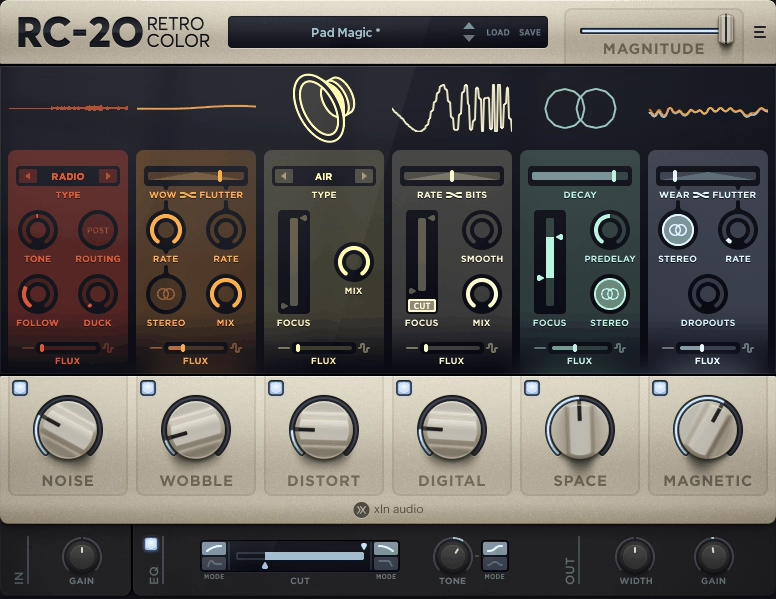
XLN Audio RC-20 Retro Color has become something of an industry standard for adding vintage character, largely because it strikes the perfect balance between comprehensive features and intuitive workflow. You don’t need to understand the technical details of how tape machines or vinyl players worked to get professional results.
The genius is in the six independent modules – Magnetic for tape characteristics, Noise for background texture, Distortion for harmonic saturation, Wobble for pitch instability, Digital for bit reduction, and Space for vintage reverb. Each module has a simple Magnitude control adjusting intensity without diving into detailed parameters. You can use modules individually for focused effects or layer them for complex vintage processing.
The preset library is organized brilliantly – instead of technical descriptions, you get categories like “Warm Tape”, “Dusty Vinyl”, or “Crushed Digital” that communicate sonic results directly. This makes it fast to find appropriate starting points, and the Flux control adds subtle randomization preventing static processing from becoming boring during extended passages.
What really sells this plugin is how musical it sounds across its entire range – from barely-noticeable aging through obvious degradation, it enhances tracks rather than just making them worse. works equally well on individual instruments or full mixes, making it versatile across different production workflows.
4. Arturia TAPE MELLO-FI
- Compatibility: Windows, macOS
- Format: VST, VST3, AU, AAX
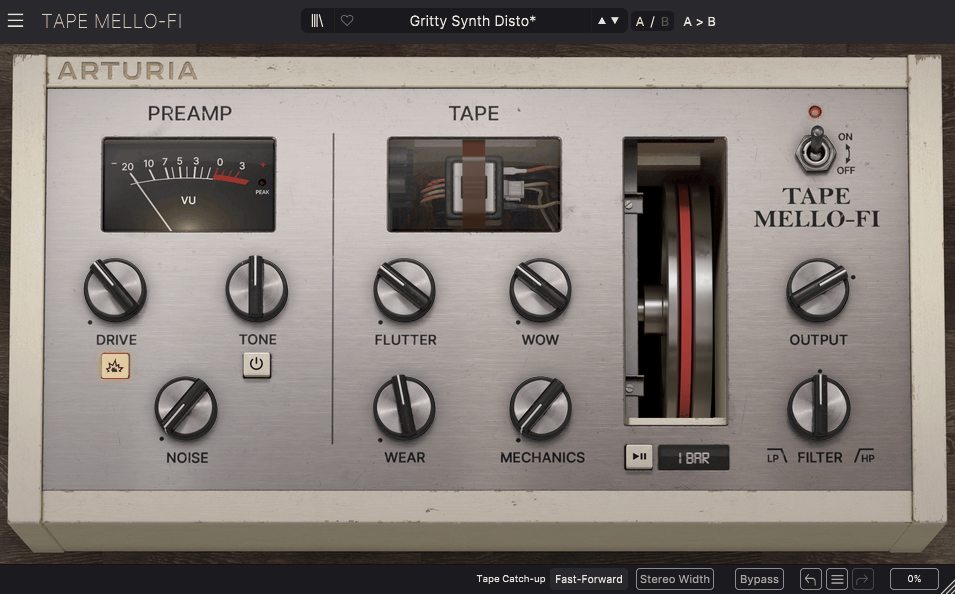
Rather than being a jack-of-all-trades lo-fi processor, this plugin specializes in tape and Mellotron – two vintage sources with very specific sonic characteristics. The Mellotron’s unique sound came from playing tape recordings triggered by keys, creating quirks that became central to its character rather than flaws to fix.
Arturia TAPE MELLO-FI models specific tape machines rather than generic tape sound – you’re getting the personality of particular units that engineers deliberately chose for how they colored audio. The wow and flutter recreates mechanical imperfections in tape transport, the saturation models how tape naturally compressed loud signals, and the frequency response curves match different tape formulations.
The wear simulation is brilliant – it adds degradation of aging tapes including dropouts, crinkles, and dulled high frequencies that make sounds feel genuinely vintage rather than just digitally filtered. The Mellotron mode captures specific quirks like tape start/stop characteristics, mechanical noise, and the limited playback duration that defined how musicians used the original instrument.
The interface stays intuitive despite the depth, making it approachable for producers wanting tape character without becoming tape machine experts. The modulation effects recreate subtle pitch variations from mechanical playback, adding organic movement that makes static sounds breathe naturally.
5. Unfiltered Audio Needlepoint
- Compatibility: Windows, macOS
- Format: VST, VST3, AU, AAX
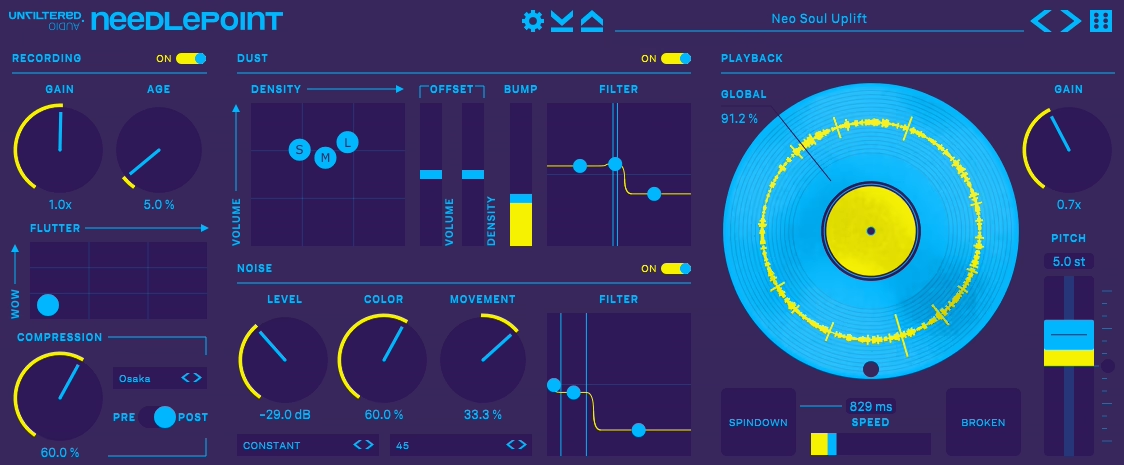
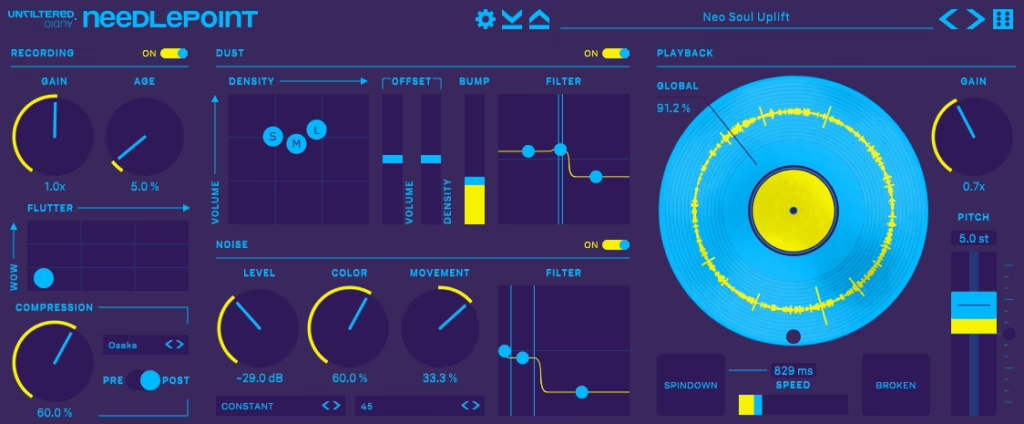
Vinyl introduced very specific sonic signatures that many listeners associate with warmth despite being technically imperfect – frequency curves from RIAA equalization, harmonic distortion from tracking, and subtle compression from the cutting and playback process all contributed to that characteristic sound.
This plugin goes deep into vinyl emulation, modeling not just surface noise but the complete playback chain. The record condition ranges from pristine new pressings through heavily played records with significant wear, and you’re not just getting random crackle – you’re simulating how specific records degrade with repeated plays. The pressing era and quality options recognize that ’60s budget pressings sounded different from ’80s audiophile releases even when brand new.
The tonearm and cartridge modeling is where this gets really interesting – frequency response, tracking ability, and distortion characteristics varied enormously between cheap portable players and high-end turntables. You can recreate everything from lo-fi bedroom listening through audiophile reproduction, choosing the exact vintage playback experience your track needs.
Unfiltered Audio Needlepoint lets you apply just enough vinyl character for subtle warmth without making everything sound obviously like it’s playing from a record, or push it into obvious vinyl territory for creative effect. The RIAA curve can be adjusted or bypassed, giving you control over the frequency shaping that defined vinyl playback standards.
6. Thenatan Vybz
- Compatibility: Windows, macOS
- Format: VST, VST3, AU, AAX
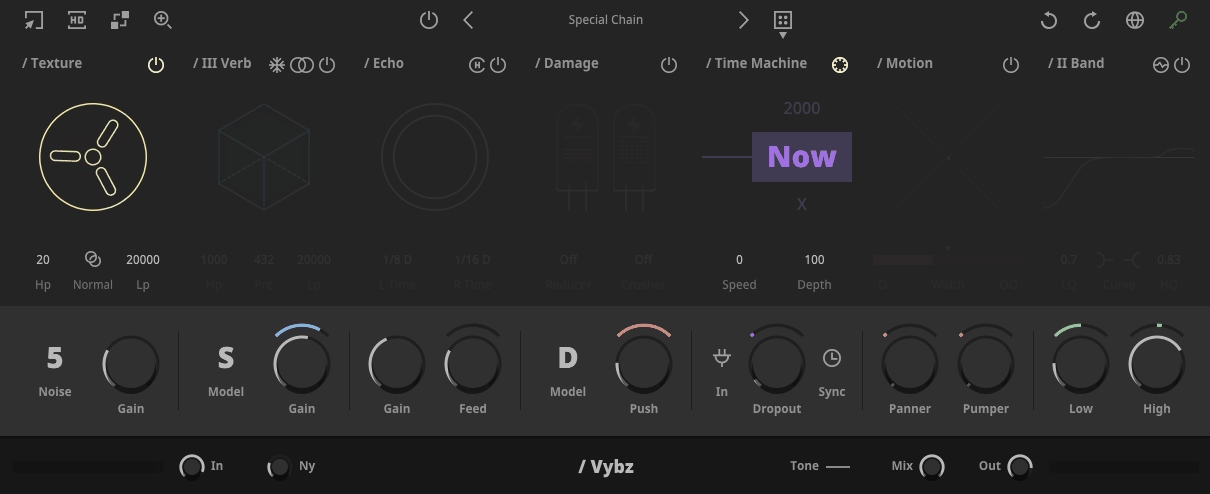
Lo-fi hip-hop’s explosion as a genre created demand for tools specifically optimized for that sound – the warm-but-digital hybrid aesthetic that defines chill beats and study playlists. This plugin focuses on creating that specific flavor rather than trying to cover all vintage degradation types.
The tape and vinyl emulation here targets beat production workflows, adding texture without overwhelming the clean modern production that keeps tracks competitive in streaming contexts. You get vintage warmth as enhancement rather than domination, maintaining contemporary sound quality while adding nostalgic character. Thenatan Vybz includes bit reduction that adds digital grit musically rather than harsh artifacts that would make tracks feel amateurish.
The reverb adds spacious but slightly degraded ambience characteristic of lo-fi hip-hop, while the filtering shapes sounds without making them feel obviously processed. The workflow prioritizes speed – the interface focuses on getting results quickly rather than comprehensive parameter control, recognizing that beat producers often work fast and need instant results.
The preset system organizes by vibe and intensity rather than technical parameters, making it fast to find appropriate character for specific track moods. The affordable price makes this accessible for bedroom producers, while the focused feature set means you’re not paying for capabilities you won’t use if you’re primarily making beats.
7. Wavesfactory Cassette
- Compatibility: Windows, macOS
- Format: VST, VST3, AU, AAX
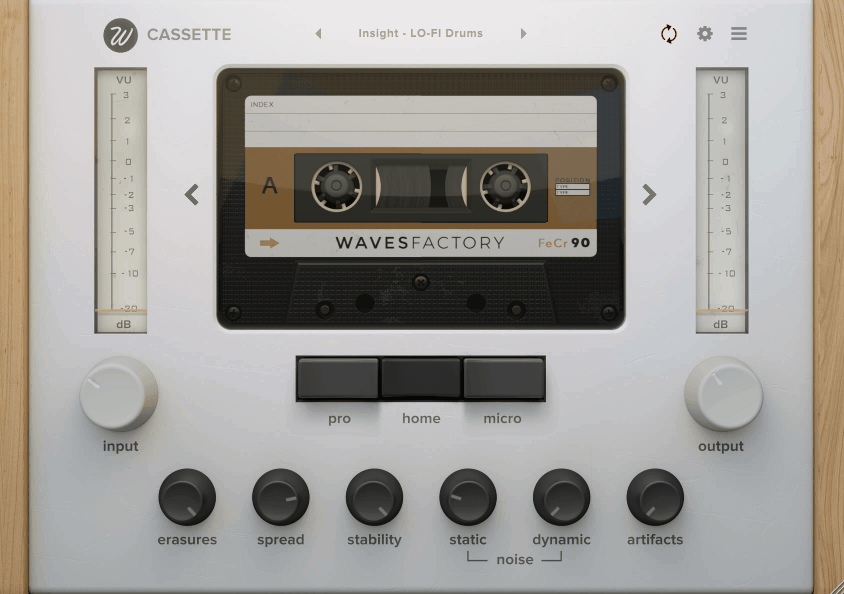
Cassettes occupied a unique place – portable and cheap but obviously lower fidelity than vinyl or reel-to-reel. That combination created a specific sound many people associate with personal music listening from decades when cassettes dominated car audio and portable players despite technically superior alternatives existing.
The plugin models different tape formulations – Type I normal bias, Type II chrome, and Type IV metal – each with distinctive frequency response and noise characteristics. These weren’t marketing gimmicks but actual sonic differences that cassette enthusiasts chose deliberately based on source material and desired quality. The tape speed affects both frequency response and wow and flutter character, recreating how cassettes could be recorded at different speeds with corresponding quality trade-offs.
The deck modeling ranges from budget boomboxes through quality home decks, each imparting different colorations through their electronics and mechanical characteristics. Wavesfactory Cassette captures how a ’80s portable player colored sound very differently from a high-end Nakamichi deck, and both options prove musically useful depending on what nostalgic associations you’re targeting.
The wear modeling simulates tapes played repeatedly until magnetic coating degrades, introducing dropouts and dulled frequencies. This matters because people’s nostalgic memories often involve favorite tapes played hundreds of times rather than pristine recordings, meaning authentic cassette character includes degradation from use.
8. Waves Retro Fi
- Compatibility: Windows, macOS
- Format: VST, VST3, AU, AAX
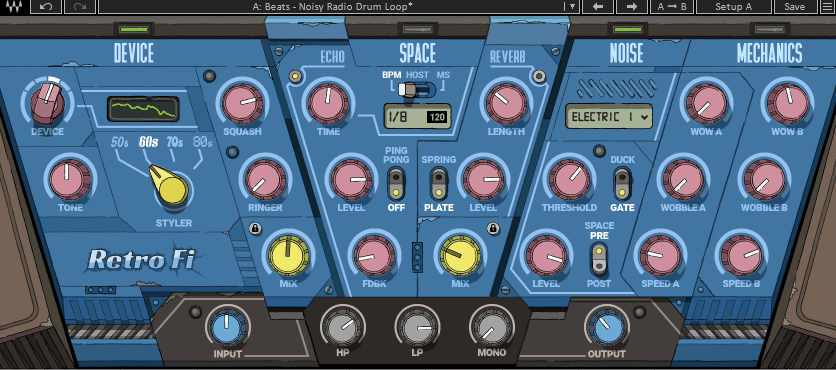
Taking a different approach from vintage hardware emulation, this focuses on creative lo-fi processing designed around what sounds good rather than authentic recreation. You’re getting musical results over historical accuracy, which often matters more for actual production.
Waves Retro Fi combines bit reduction, filtering, and noise in ways optimized for sonic outcomes rather than matching specific vintage gear. This freedom from emulation constraints means it can do whatever serves your sound. The modulation creates movement and evolution, preventing static textures from becoming monotonous during extended passages.
The interface follows Waves’ philosophy – straightforward controls without overwhelming complexity. You can dial in results quickly without getting lost in technical details that don’t directly translate to sonic outcomes. The preset library demonstrates versatility from subtle aging through obvious degradation, showing how parameter combinations create vastly different characters.
The CPU efficiency stays excellent even processing multiple tracks simultaneously, which matters in complex productions where you might apply lo-fi character across various elements. The processing quality avoids harsh artifacts, maintaining sonic interest despite technically reducing fidelity.
9. Steinberg LoFi Piano
- Compatibility: Windows, macOS
- Format: VST, VST3, AU, AAX
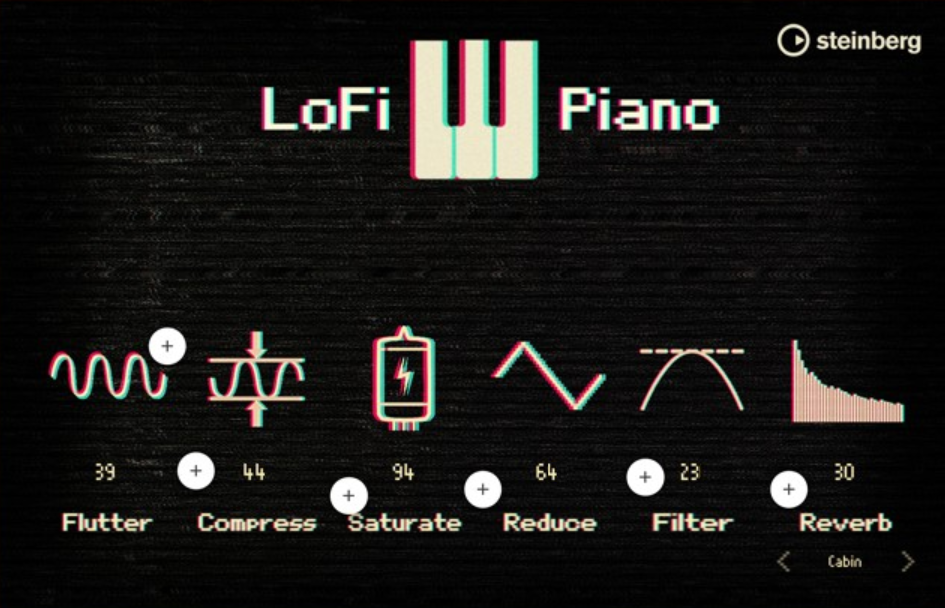
Rather than processing external audio, this is a complete instrument with lo-fi baked into the sound generation. This makes sense when you want degraded piano sounds ready-to-play rather than clean recordings you’ll process afterwards.
The plugin provides multiple piano types with various degradation levels, from subtle vintage warmth through heavily lo-fi textures. The integrated effects are designed specifically for piano rather than being general processors, meaning they interact musically with acoustic characteristics. Steinberg LoFi Piano maintains musical expressiveness despite processing, responding naturally to velocity and sustain pedal.
This works particularly well for lo-fi hip-hop where piano forms a central melodic element and needs that characteristic degraded-yet-musical quality. Being from Steinberg means smooth integration with Cubase, though it functions perfectly in any DAW. The pricing sits below comprehensive sample libraries plus separate processing chains, making it economical for producers who primarily need degraded piano.
10. Audiolatry LoQuest
- Compatibility: Windows, macOS
- Format: VST, AU
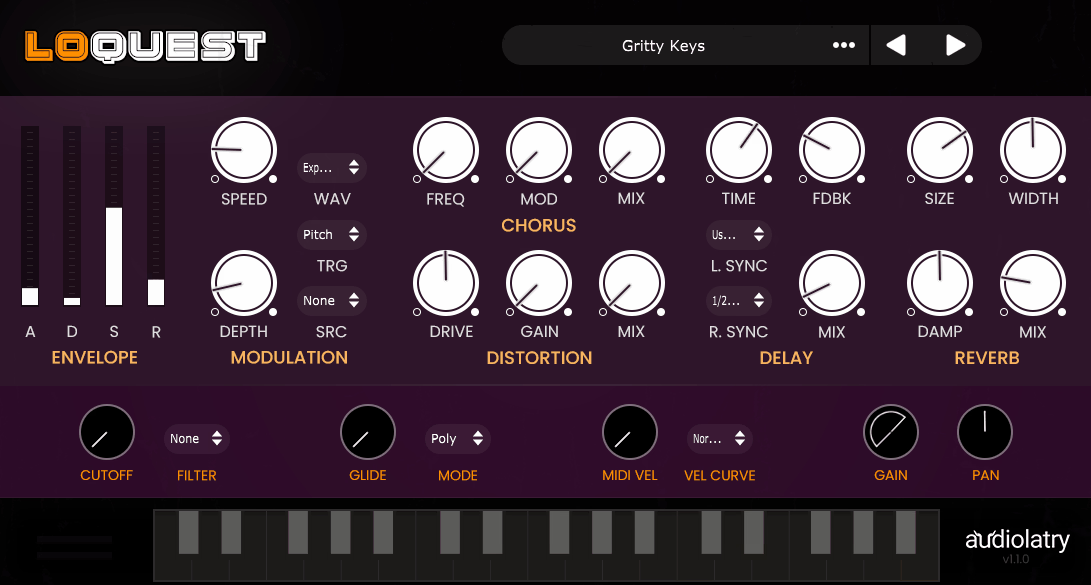
This free plugin removes financial barriers while delivering solid lo-fi processing. While lacking the polish of commercial alternatives, it handles core degradation reliably enough for actual production use rather than just being a curiosity.
Audiolatry LoQuest covers essential characteristics – bit reduction, sample rate reduction, and filtering – without unnecessary complexity. The interface prioritizes function over visual sophistication, keeping workflow efficient. Being free removes experimentation barriers, letting you try lo-fi processing without financial risk.
The processing quality exceeds freeware expectations, delivering musical results rather than obviously damaged audio. This makes it valuable for budget-conscious producers and professionals who need quick effects for simple tasks without loading comprehensive processors.
11. Chow Tape Model
- Compatibility: Windows, macOS, Linux
- Format: VST, VST3, AU, AAX
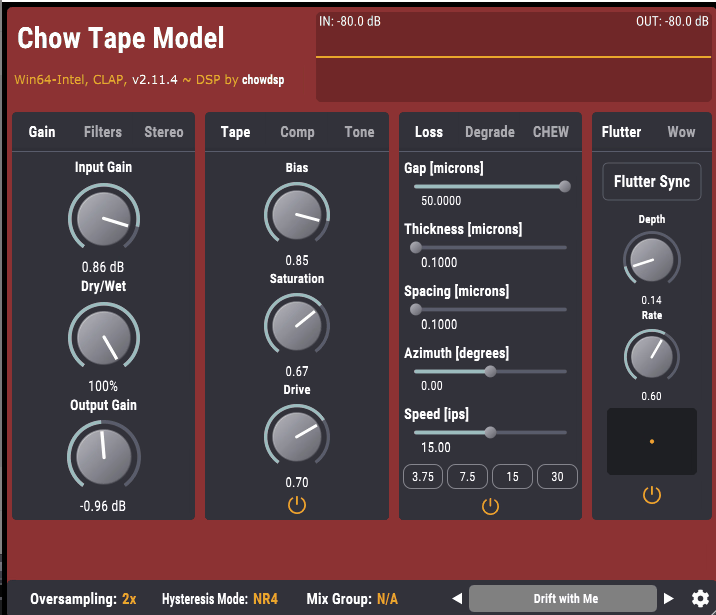
This open-source tape emulation proves excellent tools don’t require commercial development. It’s a community project that’s evolved through contributions from audio programmers interested in authentic analog modeling, resulting in professional-quality emulation available free.
The physics-based modeling recreates how magnetic tape actually responds to audio signals rather than applying generic effects. Chow Tape Model models nonlinear magnetic particle response, mechanical transport imperfections, and natural saturation when recording levels exceed optimal ranges. This produces authentic results rivaling commercial emulations.
The multiple tape types and machine characteristics let you choose specific vintage flavors, while oversampling maintains quality preventing digital artifacts. Being open-source means ongoing development through community contributions with regular updates. The cross-platform support including Linux makes this accessible across operating systems commercial developers often neglect.
12. iZotope Vinyl
- Compatibility: Windows, macOS
- Format: VST, AU, AAX
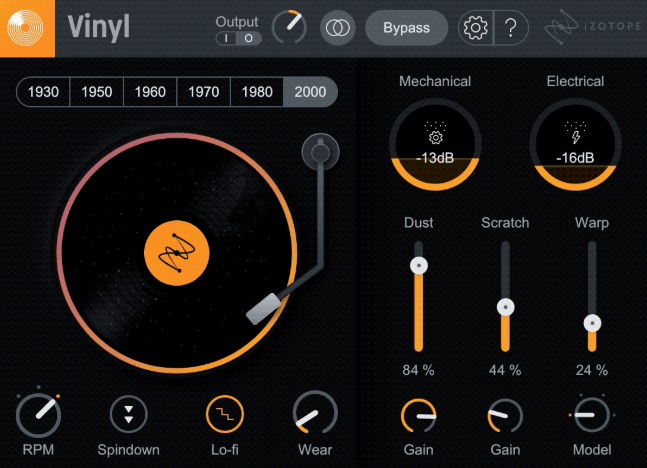
Released in the early 2000s, this free plugin has been adding vinyl character for over two decades. Despite its age, it remains relevant because recreating vinyl doesn’t become outdated – the technology it emulates is already decades old.
The year selection determines fidelity and wear appropriate to different eras, recognizing ’30s records sounded vastly different from ’80s pressings. iZotope Vinyl adds surface noise with controllable intensity plus mechanical noise simulating turntables and tonearms, capturing the complete vinyl experience.
The wear control adjusts how degraded the virtual record sounds, from pristine through heavily played. The interface stays simple, making it approachable without understanding technical details. Being from iZotope means it’s well-supported, and it’s become a standard tool many producers keep installed even when owning sophisticated paid alternatives.
13. HY Plugins HY Lofi
- Compatibility: Windows, macOS
- Format: VST, AU
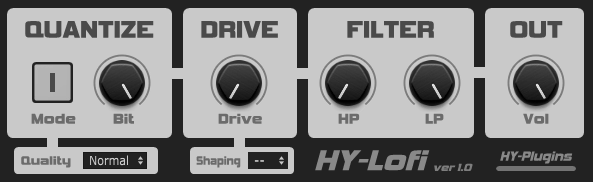
Another free option providing straightforward processing without complexity. The developer creates several effective free plugins, and this focuses specifically on lo-fi aesthetics without attempting comprehensive vintage emulation.
HY Plugins HY Lofi handles bit reduction and sample rate reduction as core functions, covering fundamental digital degradation. The interface presents controls clearly, making it quick to dial in desired amounts.
Being free makes this practical for producers building collections on budgets, or professionals who need quick effects without loading comprehensive processors. The CPU efficiency stays excellent, making it suitable for multiple tracks.
14. Audiolatry Mel Lofi
- Compatibility: Windows, macOS
- Format: VST, AU
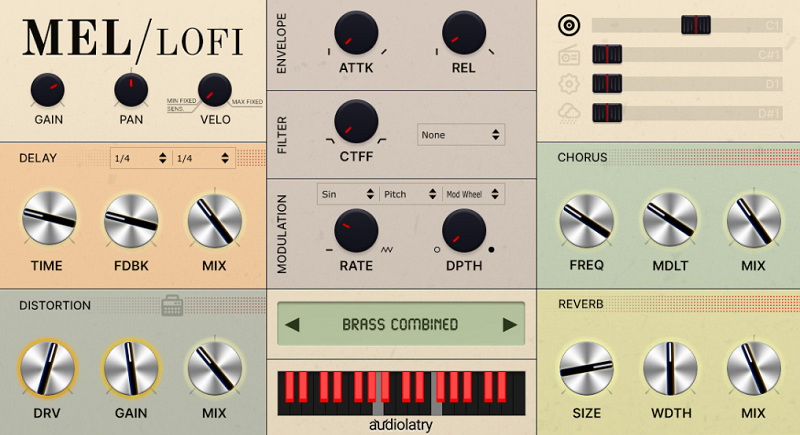
From the same developer as LoQuest, this free plugin offers alternative character, giving producers options for different contexts where varying degradation types prove more musically appropriate.
Audiolatry Mel Lofi provides different sonic character from the developer’s other plugin, letting you choose which fits particular material better. The interface maintains the straightforward approach, prioritizing practical functionality.
Having multiple free options means you can try both and use whichever fits specific contexts better, giving versatility without financial investment.
Hello, this blog is about more than just chorus, bass and synths. In fact, I started it to cover best VST plugins and Kontakt libraries, so you have easier time finding the right tools and instruments for your music production needs, mixing, as well as mastering. New tools and instruments are constantly evolving and need to get in front of audience, because even some of the best brands like Antelope Audio aren’t talked about enough – that’s what I want to change. I want to promote plugins that are less known but are perfectly relevant for certain topics.